Welcome to my blog, where I share my personal journey of receiving a life-changing medical diagnosis and navigating chronic pain. This space is dedicated to documenting my experiences, successes, trials, and tribulations. Through my story, I hope to offer resilience and hope while being transparent about the realities of living with chronic pain. In this post, I’ll start at the beginning of my journey and share the challenges I’ve faced in finding answers and support.
The Initial Incident
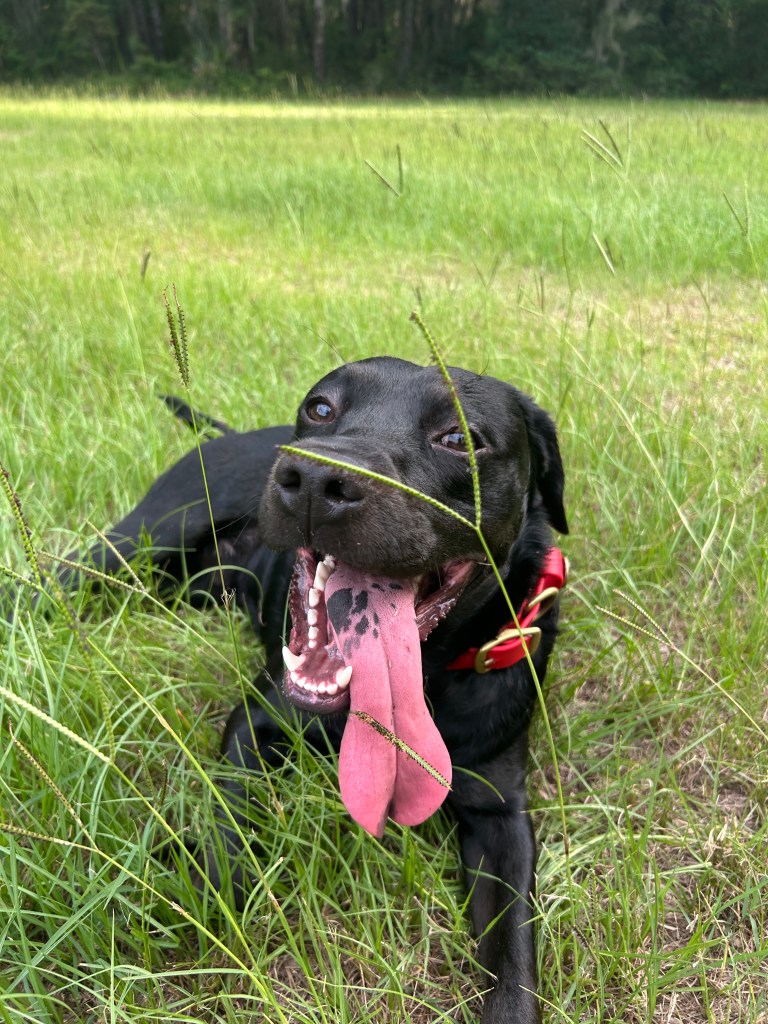
I remember the day as clearly as if it occurred yesterday; of course, my life hasn’t been the same since. On March 13, 2024, I was enjoying the notorious Forsyth Park on a warm sunny day in Savannah, GA with my 6-month-old black Labrador retriever puppy, Juneau. I was accompanied by my mother and sister who were visiting for Spring Break. We enjoyed relaxing on a picnic blanket, and I joyfully engaged in throwing a tennis ball for my puppy to retrieve. One hard throw, and I felt a shock of pain occur through my neck and right shoulder. Thinking it was a strain of my rotator cuff, I shrugged it off but ended our play session.
Within hours, the pain traveled bilaterally to my neck, across my chest, and down my arms to the level of my elbow. This no longer felt like muscular pain– it was a deep and unfamiliar burning sensation–one that I can report made my skin absolutely crawl.
Days passed as I attempted to subside this discomfort with everything in my quick-fix medical repertoire: ice, heat, rest, over-the-counter anti-inflammatories, light massage, you name it. I was forced to bow out of the rest of our planned events and excursions for the remainder of family members’ visit, and before I knew it, they were back on a plane to return home.
First Medical Interventions
My first attempt at outward intervention was to schedule an appointment with a local urgent care facility. Despite my report of unusual, burning pain, I was sent home with muscle relaxers, (thus, beginning what I like to refer to as the Grand Ole Tour of medications) and without any imaging conducted, was informed I likely was experiencing muscle spasms as a result of throwing the ball too hard on that fateful day at Forsyth Park. I followed protocol as a model patient and yet, did not experience a shred of relief. My concerns began to rise.

The following Monday, I was set to return to work and attempted to do so, only to find myself in debilitating pain as I sat at my office table and engaged with the younger children in play on the floor. I had begun to notice a pattern of irritation following prolonged sitting, and started to wonder if I was experiencing pain as a result of a musculoskeletal condition, such as a herniated disc. Determined to find the root of it, I left work early and brought myself to the Emergency Room.
Now this was the first (and as anyone with chronic pain can relate to, not the last) time I’d personally experienced dismissal due to the invisible nature of my condition. Though I’d checked in hours ago, I sat in an empty waiting room and watched a revolving door of newcomers who were called back each time before me. The pain in my neck, shoulders, and arms continued to ramp up until I finally burst into tears and begged for help. The staff complied; I was taken back to a room, underwent a CT scan, and given hydrocodone to subdue my symptoms. And lo and behold, the hydro did not touch the pain either. Despite my feedback regarding its lack of effectiveness, I was released with a prescription for Valium (??) and a referral to a neurosurgeon for further inspection.
To no one’s surprise, the Valium’s only effect was to put me to sleep. In my waking hours, I continued to endure this foreign agony. My appointment with a neurosurgeon was weeks away, but I rested in knowing there were next steps.
Medical Professional #1: Neurosurgeon
Finally, the day had come. I arrived at the office of my neurosurgeon and anxiously awaited what was to come. Unbeknownst to me at the time, I was evaluated by his P.A. and was provided with both a steroid and stronger anti-inflammatory prescription (lost count yet?). In addition, I was scheduled to undergo a cervical MRI and 6-8 weeks of physical therapy. Given new opportunities for diagnosis and treatment, I left the office feeling hopeful… that is, until I received a call that my health insurance company had rejected the pre-approval for an MRI with orders to complete at least 6 weeks of PT prior.
Navigating medical treatment, facilities, and professionals can be a challenge in itself, and this was one of the most eye-opening barriers I’d faced in regard to issues in our American healthcare system. I feel as though at this moment in my journey, I was failed. Rather than utilize imaging first to determine the cause of the issue, I was subjected to 6 more weeks of pain without answers.
Medical Professional #2: Physical Therapist
My physical therapist was a beacon of light in the face of the quickly darkening ordeal and turmoil on my journey. I attended sessions twice weekly in which he provided the most comprehensive assessment and trials for treatment–including but not limited to traction, stretches, exercises, dry needling, and topical medications. He willingly admitted his limitations in identifying the root cause of my pain, and with each session, provided me with his best effort for care, feedback, guidance, and an outlet to verbalize my frustrations. Despite the lack of effectiveness in reducing my pain, I admired his persistence and endeavor to advocate for my needs. Thanks to his initiative to write a letter indicating the necessity of an MRI to truly identify my condition, I was able to discontinue therapy and receive insurance approval for imaging. I consider this a pivotal moment in my journey.
Side note: As a healthcare provider, I pride myself in building connections and investing in the care of my clients. I know the difficulties of navigating clinical decision-making, research and evidence, documentation, and insurance barriers. Experiencing the benefits of these efforts as a patient for the first time was life-changing, and I am forever grateful to have had such a dedicated medical professional on my care team. I believe, now more than ever, that you have to take hold of and appreciate the positive aspects of the journey in order to remain with hope.
Imaging and Follow Ups
In total, I underwent 4.5 hours in the MRI machine (strange phenomenons during long MRI… another topic for another day) and had two more follow-up appointments with my neurosurgeon.

The first result from my cervical MRI, relayed to me at follow-up appointment #1, indicated the presence of a syrinx– a fluid filled cyst in the spinal cord. My head spun as he threw out complex medical terms and babbled on about undergoing a procedure to drain the fluid. I was to get more imaging done from head to waist as he suspected a second syrinx due to my symptoms. I was given no counseling regarding what limitations to follow, long-term prognosis, implications on pregnancy and delivery, or the impact on my daily life as an otherwise-healthy 26-year-old woman. “Go home and google a syrinx to learn about it,” he said. I was prescribed gabapentin and another round of steroids. I left feeling confused and scared for what was to come.
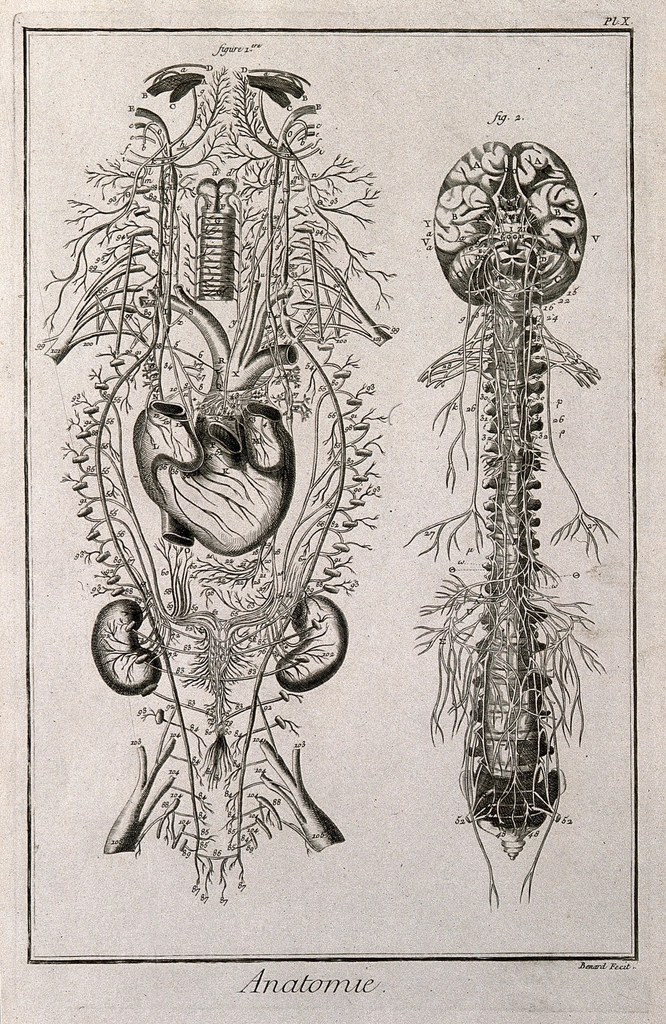
My loving and supportive boyfriend ensured his attendance to follow-up appointment #2 as I had spent days crying and battling various feelings after the first. I’m thankful that he did, because I was previously under the impression that despite how serious and intimidating my condition was, it could be treated with a procedure and I would return to my normal life. Appointment #2 revealed a second syrinx in my thoracic spinal cord and a quick rejection of recommendation for surgery with explanation that the risks outweighed the reward, as I could likely be left paralyzed or without sensation in my arms.
I consider this to be the worst day of my life so far. The experience of receiving a life-changing diagnosis of idiopathic syringomyelia without promise of a return to normality left me absolutely devastated. My hopes and dreams for the future turned into unanswered questions and a gazillion unknowns. As you can imagine, a plethora of emotions swelled up, causing an overwhelming and deep despair.
From Personal Struggles to Shared Purpose: My Intentions
This is how my story began. It is raw, painful, and scary. But I think all stories such as these start this way. As isolating as it felt at the time, I know that I am not alone in these experiences and emotions. I am determined to connect with others who can relate, either by personal experience or through a loved one. I want to develop a safe haven for people with chronic pain to vent, find resources, share stories, and advocate for themselves and their conditions.
Looking Ahead: What’s Next
As I continue to share my journey, here are some topics I plan to explore in future posts:
- Coping Strategies for Chronic Pain: Practical tips and techniques for managing daily discomfort.
- Navigating the Healthcare System: Insights on dealing with insurance, finding the right specialists, and advocating for yourself.
- Medical Professionals and Their Roles: Expectations, building trust, active involvement, coordination of care, and scopes of practice.
- Treatment Options and Their Effectiveness: An overview of various treatments and what has or hasn’t worked for me.
- Self-Care and Mental Health: How to maintain emotional well-being while managing chronic pain.
And more!
Leave a comment below!
- How did you or a loved one’s chronic pain journey begin?
- What healthcare barriers did you face within seeking diagnosis and treatment?
- Who provided you support along the way?
- What treatments and/or medications did you trial, and what worked?
- What types of content you like to see on this page?
 Painfully Empowered
Leave a comment